A train of thoughts and writings on development, technology and the economy focusing on the socio-techno-economic-cultural surge of developing economies to regain and partake in leadership of the world. Written by George Easaw, member of the faculty of Business Administration of Allliance University, Bangalore, India. (This is purely an academic site, no commercial use is allowed. Photography rights lie with the respective organisations). Mention credits as needed.
Thursday, May 30, 2024
Incorporating tech in teaching OM concepts
Saturday, April 20, 2024
Top Environmental Sustainability issues globally
Based on the information from sources across the world, here are the top 10 interesting issues in environmental sustainability that are problems for society and the environment:
- Climate Change: A pressing issue impacting the world with rising global temperatures and extreme weather events.
- Natural Resource Use: The challenge of sustainable use of natural resources to prevent depletion and environmental degradation.
- Waste Production: Managing waste production and disposal to reduce environmental pollution and promote recycling.
- Water Pollution: Addressing water pollution to ensure clean and safe water sources for human consumption and ecosystem health.
- Deforestation: The loss of forests and its impact on biodiversity, climate regulation, and ecosystem services.
- Overfishing: Unsustainable fishing practices leading to the depletion of marine resources and disruption of aquatic ecosystems.
- Ocean Pollution: Protecting oceans from pollution, plastic waste, and other harmful substances to preserve marine life and ecosystems.
- Energy Transition and Renewables: Transitioning to cleaner and renewable energy sources to reduce greenhouse gas emissions and combat climate change.
- Sustainable Food Production & Demand: Promoting sustainable farming practices, reducing food waste, and ensuring food security for a growing global population.
- Decreasing Biodiversity: Addressing the loss of biodiversity caused by habitat destruction, pollution, climate change, and overexploitation to maintain ecosystem resilience and services.
- Ocean Acidification: Ocean absorbs almost a third of the carbon dioxide released into the world. Increased carbon emissions can also impact water quality, altering the pH of the ocean itself. The National Oceanic and Atmospheric Administration has noted that the past 200 years has seen “approximately a 30 percent increase in [ocean] acidity,” which directly impacts so-called “shell building” creatures. Studies have linked reef bleaching, reef death, mollusk death, and ecosystem disturbance to this increasing acidification.
Digital India - videos ..
The Digital India scheme is the government of India’s flagship initiative, with the goal of transforming India into a digitally enabled society and knowledge economy. On July 3, 2015, the Digital India program (1.13 lakh crore cost) was started with the goal of digitally empowering every citizen of the country. Its goal is to ensure that citizens may access government services electronically by eliminating paperwork.
Here are some interesting videos on Digital India ..
1. https://www.youtube.com/watch?v=WhfollrhS6Q
2. https://www.youtube.com/watch?v=cMhuzm-w3DE
Friday, April 19, 2024
Neobanks, a major Fintech Digital Disruption ..
https://www.developeronrent.com/blogs/neo-banking/amp
Tuesday, April 16, 2024
Role play, Model UN - 100% Carbon Neutrality by 2050 and deviations, national arguments...
![]() |
| The Master Plan to reach global Carbon Neutrality by 2050 AD (Source IEA, '21) |
The role lay consisted of 5 top global polluters China, US, India, Germany and UK stating their national govt stand on the 2015 Paris Treaty on the floor of the UN General Assembly. The main agenda was countries presenting national arguments in attaining 100% Carbon Neutrality by 2050 and deviations.
The commitment to achieve carbon neutrality by 2050 is a global mission that requires the collective efforts of countries, cities, financial institutions, companies, and individuals. The European Union, the United Kingdom, Japan, the Republic of Korea, the incoming United States administration, and over 110 countries have committed to achieving carbon neutrality by 2050 except China and India. As per the Paris 2015 treaty, all global nations have promised to the UN General Assembly 100% Carbon Neutrality by 2050 AD, China by 2060 AD and India by 2070 AD.
The reasoning given by China and India to extend the dates for 100%
Carbon neutrality is that the developed western nations have polluted
planet earth for the last couple of centuries and is now asking all
countries to exercise restraint by controlling their Carbon emissions.
China and India feels it is very unethical and wants time to take their
people to developed nation status (in the process resulting in some
unavoidable Carbon emissions till 2060 and 2070 AD respectively for
China and India).
A document (click here) was shared with the students that detailed the steps taken by these top 5 polluting nations to reach their goals of Carbon neutrality as a guiding document. The students were motivated to do some extra reading in the class with their partners to understand in detail the different steps taken by the individual countries to achieve Carbon neutrality.
The team members had to come to the front of the class and explain in some detail, details regarding their actions to achieve Carbon neutrality. For some of the students, who had attended Model UN sessions earlier, the concept was not difficult to understand. Two of the students were thus ready to help the other students with ideas and steps on how to progress to make the brief presentation to the UN General Assembly.
It was a good learning experience for everyone.. 👍👍🙂
Thursday, March 28, 2024
Tuesday, March 26, 2024
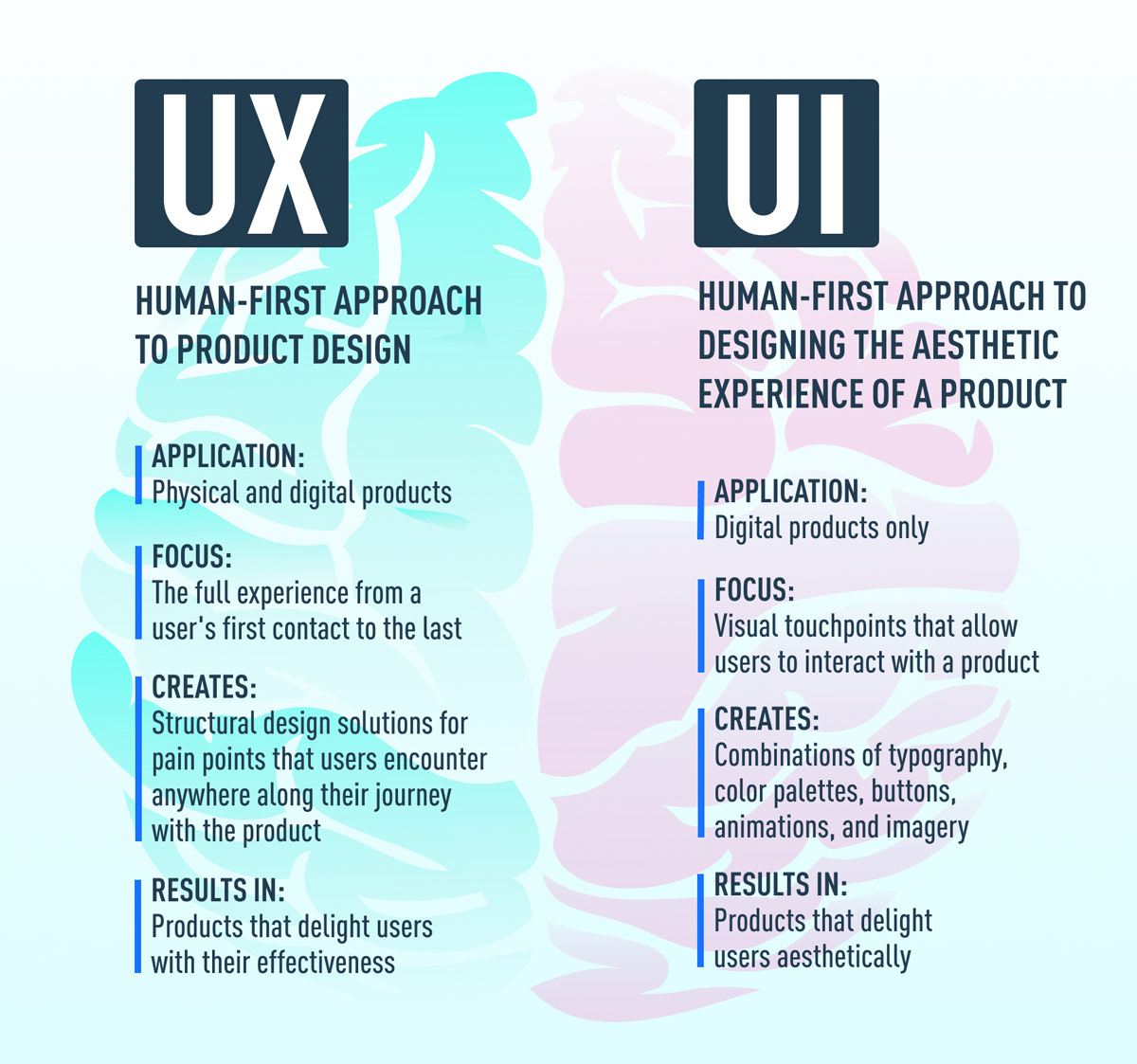
How does User Experience (UX) differ from User Interface (UI)

- User Interface (UI) Design:
Focuses on the presentation and interactivity of an application,
including elements like screens, buttons, and visual components that
users interact with.5
- User Experience (UX) Design: Aims to enhance the overall experience of users when interacting with an application, focusing on user satisfaction and creating a seamless experience
- Information Architecture: Involves designing the structure of information within an application to ensure easy navigation and user-friendly access to content
- Interaction Design: Focuses on creating the conceptual design that dictates how users interact with the product, including aesthetics, color, font, icons, and other interactive elements
- Usability: Refers to the user-friendliness of an application, ensuring that users can easily find information, navigate the app, and handle errors effectively
- Wireframing: Involves creating a sample of the application to test features, look, and usability before the actual launch, allowing for evaluation and refinement of the application's purpose
- Visual Design: Defines the brand's visual identity through the selection of images, colors, icons, fonts, and overall appearance, impacting user behavior and interaction with the application
What is happening in Iran ?
When the Islamists overthrew Shah Reza Pehlavi and took power in 1970, the Iranians fell to religious radicalism. One of my colleagues in th...